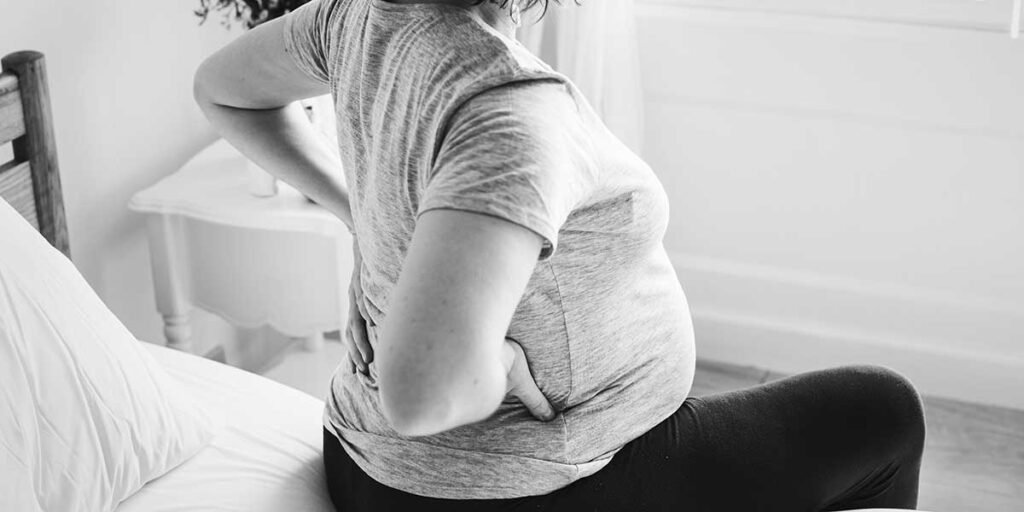
You wake in the middle of the night with stiffness spreading across your lower back. The position that felt comfortable earlier now places pressure on areas that are already sensitive. As you try to turn over, even a small movement can interrupt your sleep and leave you struggling to settle again.
A pregnancy back pain specialist in Ipswich understands the physical changes of pregnancy and can assess ongoing back pain. In this guide, Ipswich Spine Clinic explores sleeping positions for back pain during pregnancy and explains how to support your changing body.
Why Does Pregnancy Change Night-Time Comfort?
Pregnancy changes how your body carries weight. As your bump grows, your centre of gravity shifts, so your back muscles may work harder. Hormonal changes can also increase ligament flexibility around your pelvis.
These changes may make lower back pain more noticeable after hours in one position. Backaches can occur alongside other pregnancy pains and discomfort that interrupt sleep. The intensity of pain can change as pregnancy progresses.
A new sleeping position cannot treat every cause of back pain. However, supportive sleeping may reduce strain by keeping your pelvis steady and limiting rotation.
How Can You Create a Supportive Side-Sleeping Position?
Use a simple arrangement that keeps your body supported:
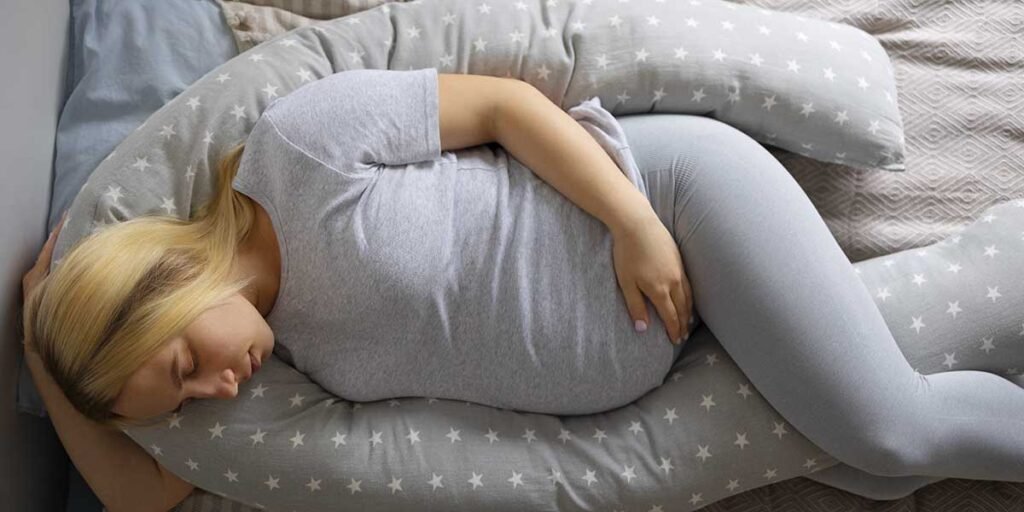
- Choose a side: Settle on whichever side feels comfortable, and keep your knees gently bent.
- Support the legs: Place a pillow between the knees so your upper leg doesn’t pull your pelvis forward.
- Support the bump: Tuck a small cushion beneath your bump if the space between your abdomen and mattress leaves you feeling unsupported.
- Add body support: A pregnancy support pillow can steady your bump and back, although ordinary cushions can work too.
This setup makes side sleeping one of the most practical positions for back pain during pregnancy.
Is the Left Side Always Necessary?
Left-side sleeping is often discussed, but NHS guidance considers either side suitable during pregnancy. You don’t need to stay on your left side all night.
If one hip feels sore, stick to the less painful side. You can also change sides during the night if one position becomes uncomfortable. Keeping your shoulders and hips facing the same direction may support more neutral spinal alignment.
If a position causes pain or breathlessness, change it. Discuss any recurring dizziness or breathing concerns promptly with your midwife or doctor.
How Can You Turn in Bed More Comfortably?
Smooth, supported movements can make each position change feel safer and more comfortable. Here are some basic tips to keep in mind:
- Roll together: Keep your knees close so your shoulders and pelvis move in the same direction without twisting.
- Use your arms: Press your hands into the mattress to move, rather than pulling suddenly through your waist.
- Move slowly: Pause if turning causes sharp pain or dizziness, then choose a gentler movement that feels stable.
- Reset your support system: Reposition your pillows after each turn so your abdomen and pelvis remain supported in the new position.
Which Positions Need Special Consideration?
The following sleeping positions may require extra care or adjustment to avoid increasing discomfort.
Back Sleeping After 28 Weeks
NHS guidance recommends side sleeping after 28 weeks because back sleeping may affect blood flow to your baby. If you wake on your back, turn onto either side.
Stomach Sleeping as Your Bump Grows
Stomach sleeping may feel comfortable early, but it often becomes impractical as your bump grows. Do not force a position that strains your neck or back.
When Should You Seek Medical Advice?
The following warning signs require professional attention:
- Persistent pain: Contact your midwife or GP if the pain keeps returning or regularly prevents sleep.
- Fever or urinary symptoms: Request an urgent assessment if back pain occurs with a fever or pain while passing urine.
- Pregnancy changes: Report vaginal bleeding promptly. Call your midwife or maternity unit immediately if your baby’s movements decrease or differ from their usual pattern.
- Nerve symptoms: Call 999 or go to A&E if you lose feeling in your legs or around your bottom.
A prompt assessment can help identify the cause of your symptoms and ensure you receive the appropriate care.
Rest More Comfortably With Ipswich Spine Clinic
Adjusting your sleeping positions for back pain during pregnancy may ease strain and support more restful sleep. At Ipswich Spine Clinic, our prenatal care begins with a full screening and adapts as your pregnancy progresses.
For general sleep information outside of prenatal care, read our guide on better sleep and weight loss. Call our clinic at +44 1473 232002 for personalised prenatal support across Ipswich and Suffolk.